


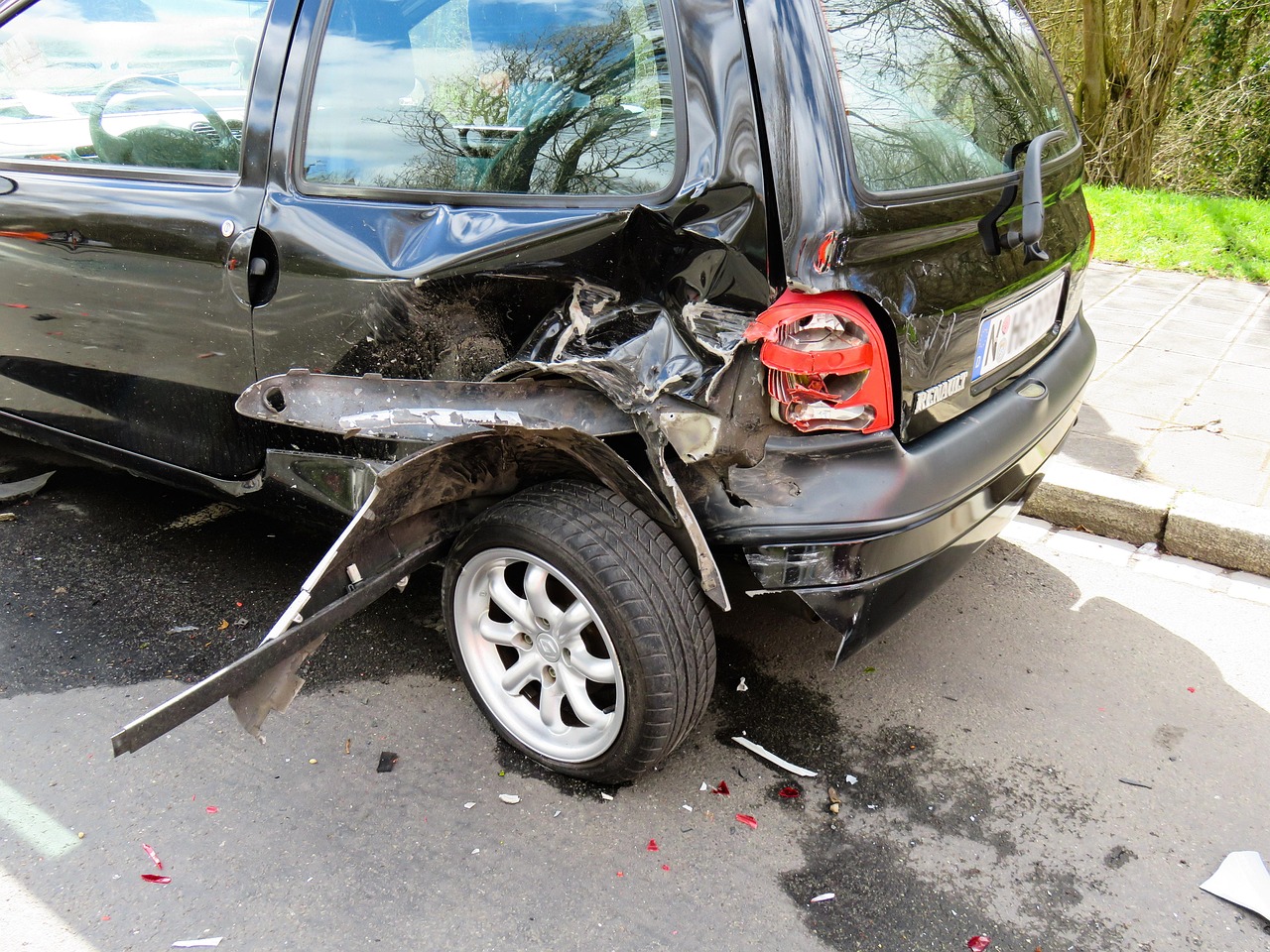
Insurance claims are often pursued after car accidents. A prevailing concept is that once liability is proved, the compensation will be readily granted. However, insurance disputes occur rather frequently than many policyholders assume.
The disagreements can be related to the interpretation of coverage, the assessment of damages, or compliance. This post describes the general causes of insurance conflicts, enumerating the legal solutions to policyholders who are denied, delayed or undervalued their claims.
Common Causes of Insurance Disputes
Insurance disputes normally start when insurers refuse to cover. They may argue that:
- The policy excludes the specific incident
- Premiums were not properly maintained
- Material information was not accurately provided during the underwriting process
These problems frequently necessitate close scrutiny of policy wording and factual documents. Fault determination also generates conflict. Insurers rely on internal investigations, police reports, as well as adjuster assessments.
In jurisdictions applying comparative negligence principles, even partial fault can significantly reduce compensation. Disputes become more complex when multiple vehicles are involved and statements differ.
Valuation of damages is another frequent source of disagreement. Repair estimates may vary widely. Similarly, medical expenses, future treatment costs, and lost wages are often challenged. Insurers sometimes require independent medical examinations to question the severity of injuries, which can further delay resolution. Delays themselves can function as a pressure tactic. Prolonged processing times may encourage financially strained claimants to accept lower settlements than their claims warrant.
Reviewing the Insurance Policy
Any dispute must begin with a close reading of the insurance contract. Coverage limits, deductibles, notice requirements, and exclusions determine the scope of recovery. Ambiguities in policy language are generally interpreted against the insurer under established contract principles. Nevertheless, the technical drafting of insurance agreements often requires legal analysis.
This focus on narrow statutory and contractual interpretation is not special to insurance law. New regulatory frameworks (like Karnataka’s new hate speech bill or the new labour codes in India) are often passed and must be carefully scrutinised to grasp the rights and responsibilities. Likewise, policyholders are expected to review the actual terms of their contracts before concluding that an insurer has failed to fulfill their duties.
Legal Remedies Available to Policyholders
When disputes arise, several remedies may be pursued. An internal appeal is often the first step. Policyholders can submit additional documentation, obtain expert reports, and issue a formal demand letter outlining the contractual basis for payment.
Administrative complaints with state insurance regulators provide another avenue. Regulators may investigate allegations of unfair claim settlement practices and impose penalties where misconduct is established.
Mediation or arbitration may be sought as an alternative form of dispute resolution if the clauses are included in the policy. These procedures can save money and time, but they may restrict some procedural rights in court.
If informal resolution fails, litigation becomes necessary. A breach of contract lawsuit allows recovery of benefits owed under the policy. In more severe situations, a bad faith claim can be pursued if the insurer was unreasonable or misleading. A successful bad faith claim can also lead to damages higher than the initial policy limits, depending on jurisdiction.
In practice, experienced legal counsel is essential. For example, Atlanta car accident attorneys often negotiate intricate insurer defense and assess whether litigation or negotiated settlement best protects their clients’ interests.
Conclusion
Insurance disputes after car accidents are common, yet policyholders do not lack recourse. A close examination of the policy, strategic documentation, and timely legal intervention usually dictates whether a claim is dealt with in a fair manner. Sound legal analysis is the best defence against unfair denial or underweighting of valid insurance claims, which is best served by informed action.