


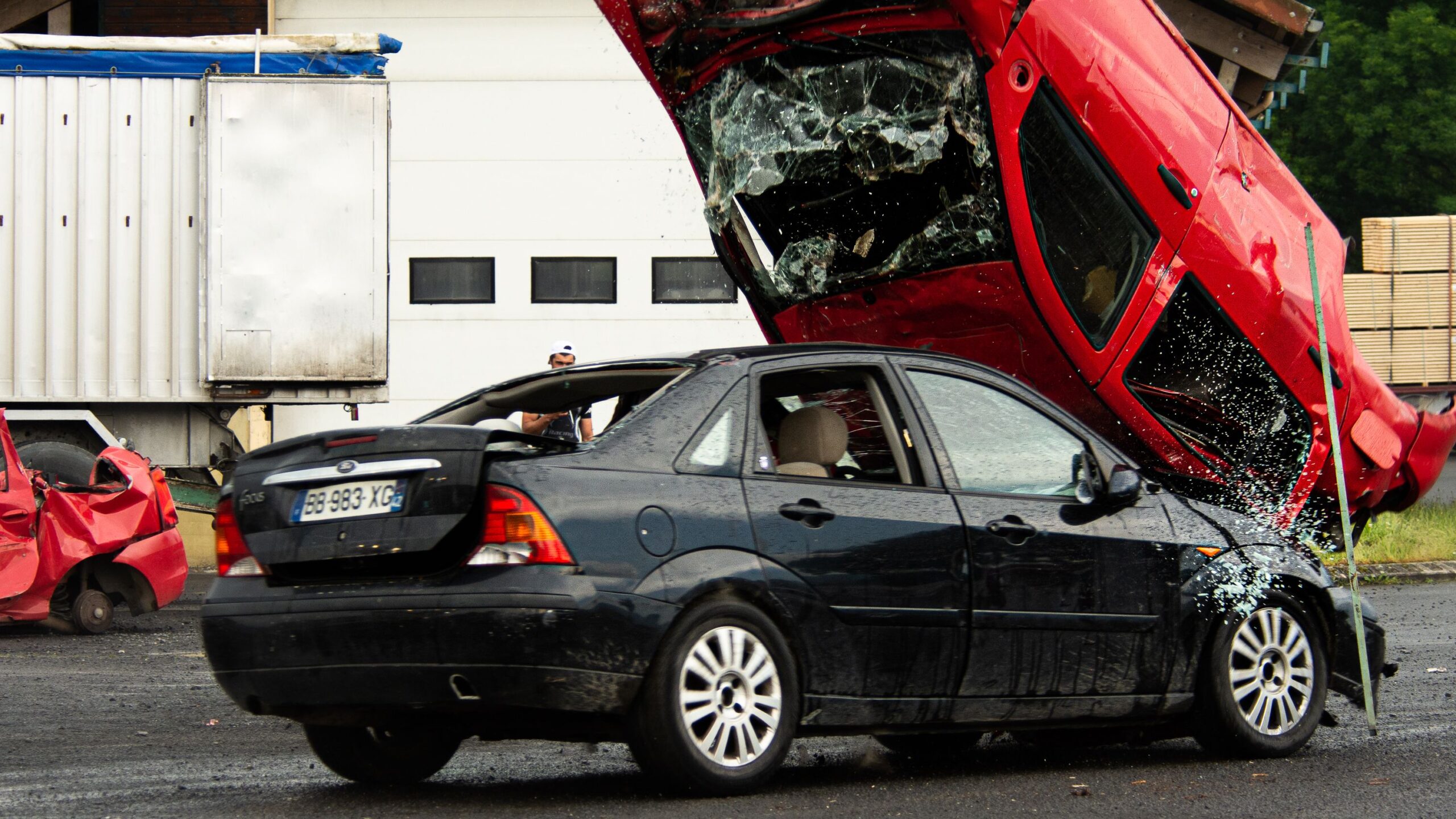
Eyewitness accounts and police reports are not always enough when fault is challenged after a car crash. Accident reconstruction experts fill the gap. These specialists apply physics, engineering, and forensic analysis to figure out exactly what happened. Here is how they give attorneys and insurers objective evidence to work with rather than competing versions of events.
1. Analyzing Physical Evidence to Reconstruct the Crash
Vehicular accident reconstruction is a forensic process focused on recreating contributing factors of the accident. Experts build the events by collecting and evaluating evidence from the scene. This lets them identify causes like mechanical failure or driver negligence.
The physical evidence they collect includes skid and yaw marks, and gouges in the pavement. They measure the degree of damage, inspect tire condition, and take pictures of everything before the scene is disturbed. Each piece of evidence holds useful information. For example, skid mark length assists in calculating a vehicle’s speed before braking. Crush depth on a bumper tells how much energy was transferred during the collision.
Skid marks disappear within days, vehicles are repaired, roadway conditions change with weather and maintenance, and witness memories fade. Early expert involvement may help preserve evidence integrity that could otherwise be lost. This is why most attorneys retain reconstruction specialists immediately after a serious crash.
2. Using Technology to Demonstrate How the Collision Occurred
Modern reconstruction relies heavily on technology. Experts now use multiple documentation methods to capture vehicle damage. These include photogrammetry, 3D scanners, total stations, and LiDAR-equipped devices. Accurate crush profiles enable the calculation of the speed change at impact and the reconstruction of the impact configuration.
One of the most valuable tools is the car’s Event Data Recorder. This captures important information like speed, braking, and steering inputs seconds before impact. NHTSA developed the EDR standard to collect vehicle technical data for a brief period of time in the event of an accident. That data can then be retrieved and used in litigation.
Working with a Kent car accident lawyer who understands how to preserve this electronic evidence early makes a real difference in disputed cases. Once simulation software processes the physical and electronic data, experts can test multiple crash scenarios against the physical evidence using mechanical engineering principles. This helps them model a clear, science-backed picture of what occurred.
3. Providing Expert Testimony That Strengthens Accident Claims
Reconstruction results only carry weight if the expert presenting them meets legal standards. Federal Rule of Evidence 702 mandates the reconstructionist to show qualifications through education, training, and methodology. ACTAR accreditation typically signals competency meeting NHTSA minimum training standards.
The Daubert standard, applied in federal and most state courts, further requires expert methods to be testable, subject to peer review, and have a known error rate. They should also be generally accepted in the relevant scientific community. Experts who cannot meet this threshold risk having their testimony excluded entirely.
However, credentials and technical experience alone do not win cases. A good reconstructionist must combine scientific findings with courtroom effectiveness. A reconstruction expert who explains impact angles, vehicle speeds, and driver behavior in a way a jury can follow makes it easy to convert raw data into a persuasive and verifiable account of fault.
Endnote
Car accident reconstruction experts help settle chaos after a crash. They look at damaged vehicles, marks on the road, and digital data and turn them into clear and verifiable evidence. Their findings alone may not be enough to prove fault. However, combining them with other types of evidence makes it more difficult for the responsible party to deny liability.