


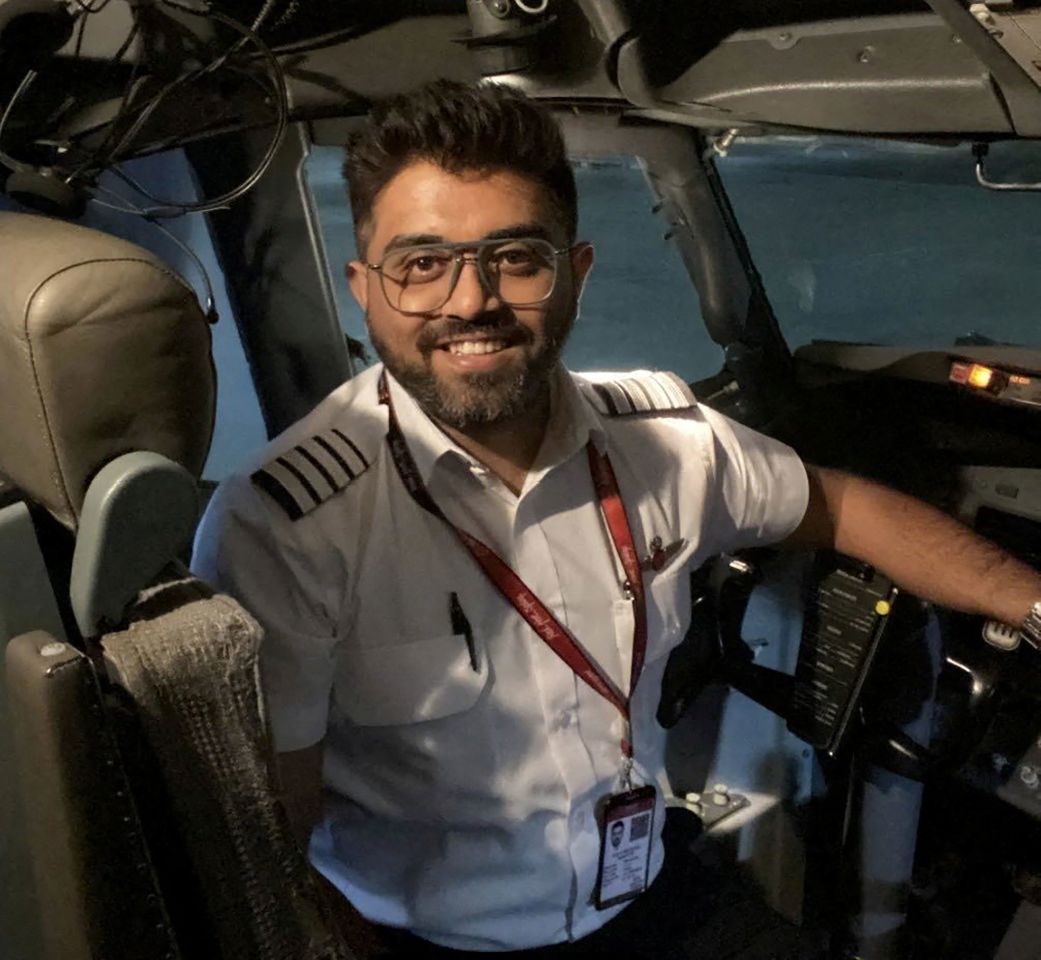
On September 30, 2026, Flydubai Flight FZ1073 (Dubai to Tel Aviv) plunged over 14,000 feet in a matter of seconds. Inside the cockpit of the Boeing 737 MAX 8, Captain Smit Machchhar was attacked and seriously injured by his co-pilot.
Despite his injuries, Captain Machchhar managed to reach the flight deck door and unlock it from the inside. That single act allowed cabin crew and passengers to rush in and subdue the attacker. Off-duty Flydubai pilots who were traveling on board took over the controls and landed the aircraft safely in Tabuk, Saudi Arabia.
Beyond the heroic story, this emergency raises real legal questions. Who has the authority to act during an in-flight crisis? Which country gets to put the suspect on trial? And how does international aviation law handle a threat that comes from inside the cockpit?
1. The Tokyo Convention and Captain’s Authority
The main treaty governing acts committed on board international flights is the Tokyo Convention (1963). The response on Flight FZ1073 is a classic example of how Articles 6 and 10 work in practice:
-
Command Powers and Assistance (Article 6): Article 6(1) allows the aircraft commander to use reasonable measures, including physical restraint, to protect the plane and its passengers. Under Article 6(2), the captain can ask crew members or passengers for help. Crew members and passengers also have the independent legal authority to step in on their own if immediate action is needed to protect the flight.
-
Protection from Lawsuits (Article 10): Article 10 protects the captain, crew, and passengers from legal action regarding how they treated the restrained attacker, provided their actions followed the Convention. It is not blanket immunity for everything, but it prevents the attacker from suing the people who subdued him.
2. The Jurisdictional Puzzle: Who Tries the Case?
Because international flights cross boundaries, several countries have a legal interest in prosecuting the offender:
-
UAE (State of Registration): Under Article 3 of the Tokyo Convention, the UAE has primary competence to try crimes committed on a UAE-registered plane.
-
Saudi Arabia (State of Landing and Custody): Saudi Arabia held territorial jurisdiction when the plane landed at Tabuk and took the suspect into custody. Saudi authorities have since transferred custody of the co-pilot to the UAE for formal proceedings.
-
Oman (Nationality of the Offender): Oman holds a potential nationality-based jurisdictional interest over its citizen.
-
Israel and India (Nationalities of Victims): Under Article 4(b) of the Tokyo Convention, a non-registration state can claim jurisdiction if an offense is committed against its nationals. Israel has a strong claim because a large number of passengers were Israeli, while India holds a claim concerning the injuries suffered by Captain Machchhar.
If the offense is classified as an attempted unlawful seizure under the Hague Convention (1970) or the Beijing Convention (2010), the principle of aut dedere aut judicare (extradite or prosecute) applies. The country holding the suspect must either submit the case to its own authorities for prosecution or extradite him to a qualified treaty partner.
3. The Cockpit Paradox
Following the September 11 attacks, ICAO Annex 6 required commercial planes to have reinforced cockpit doors that lock from the inside to keep hijackers out.
Flight FZ1073 highlights a dangerous vulnerability: what happens when the threat originates inside the cockpit? Had Captain Machchhar been unable to reach the manual override, the very door built to protect the flight deck could have locked out help. This incident has reopened debates among aviation regulators around minimum flight deck occupancy rules, secondary barriers, and emergency ground access.
4. Passenger Claims and Airline Liability
From a civil law perspective, two main legal frameworks apply:
-
Passenger Injuries (Montreal Convention 1999): Under Article 17, airlines are liable if a passenger suffers bodily injury in an on-board accident. For passengers claiming emotional trauma from the violent plunge, court precedents (such as Eastern Airlines v. Floyd) usually require psychological distress to be directly linked to a physical injury to recover damages.
-
The Captain’s Remedies: Captain Machchhar’s personal claims for his injuries fall under employment law, workplace compensation, and insurance, rather than international passenger liability treaties.
Captain Smit Machchhar’s presence of mind saved 182 lives that day. As multi-national investigations continue, Flight FZ1073 will serve as an essential case study for legal scholars, aviation authorities, and policy makers working to keep international skies safe.
