


Outrage, shock and anger . Whenever our society is faced with crimes of perverse nature those words are thrown around like everyday terms. Moreover, they eventually lead to the usual reactions with demands of punishments as stringent as capital punishment.
However, after tags like the most dangerous country for women, there has also been a more vocal demand for education of girls and boys alike. This is what our focus should be. Not just morals or manners but actual fundamental knowledge which can make or break healthy social interactions.
The recent controversy of ‘Boys Locker Room’ group chat showed how pervasive rape culture, sexist commentary and patriarchal notions are, with boys as young as 14-year-olds using uncouth language to comment on girls’ bodies and even editing their pictures.
Instead of focusing on a stringent punishment and consistent shaming, we need to ask ourselves as to how as a society managed to create an environment where boys this young had access to such information. The answer is: everywhere. Whether it is cinematic media, magazine, even politicians use and glorify such language and even actions against women and others on the gender and sexuality spectrum.
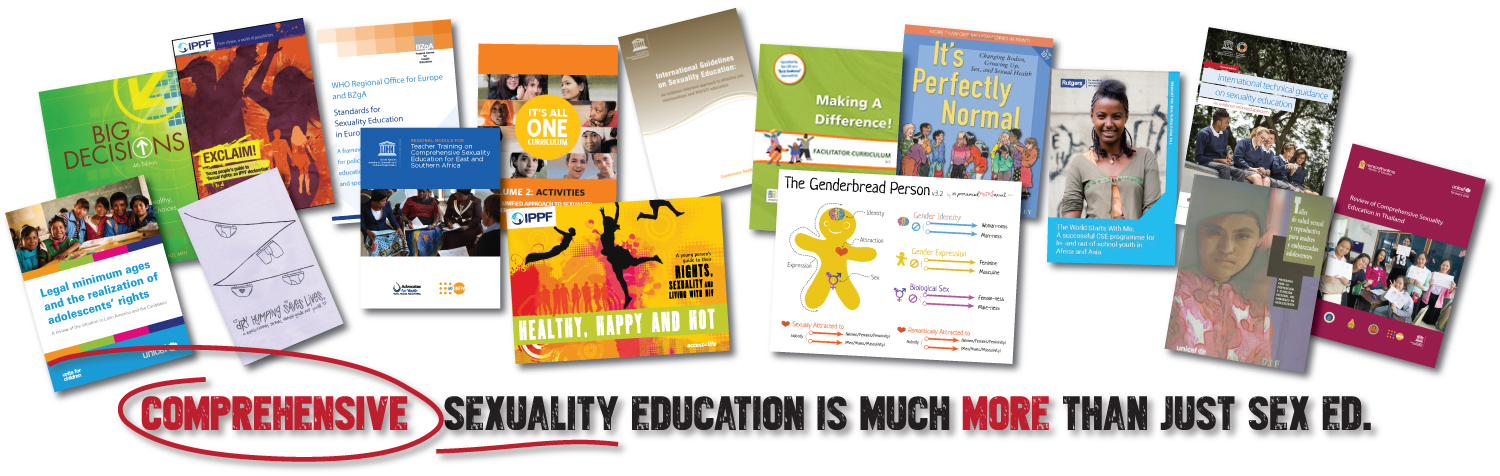
Given these harsh realities, we have much unlearning to do, but it cannot be only when an incident comes to light. It is high time India gets serious about sex education and not just any sex education but CSE; Comprehensive Sexuality Education.
What is CSE?
As per UNESCO ‘Comprehensive sexuality education is a curriculum-based process of teaching and learning about the cognitive, emotional, physical and social aspects of sexuality. It aims to equip children and young people with knowledge, skills, attitudes and values that will empower them to realise their health, well-being and dignity; develop respectful social and sexual relationships; consider how their choices affect their well-being and that of others; and understand and ensure the protection of their rights throughout their lives.’
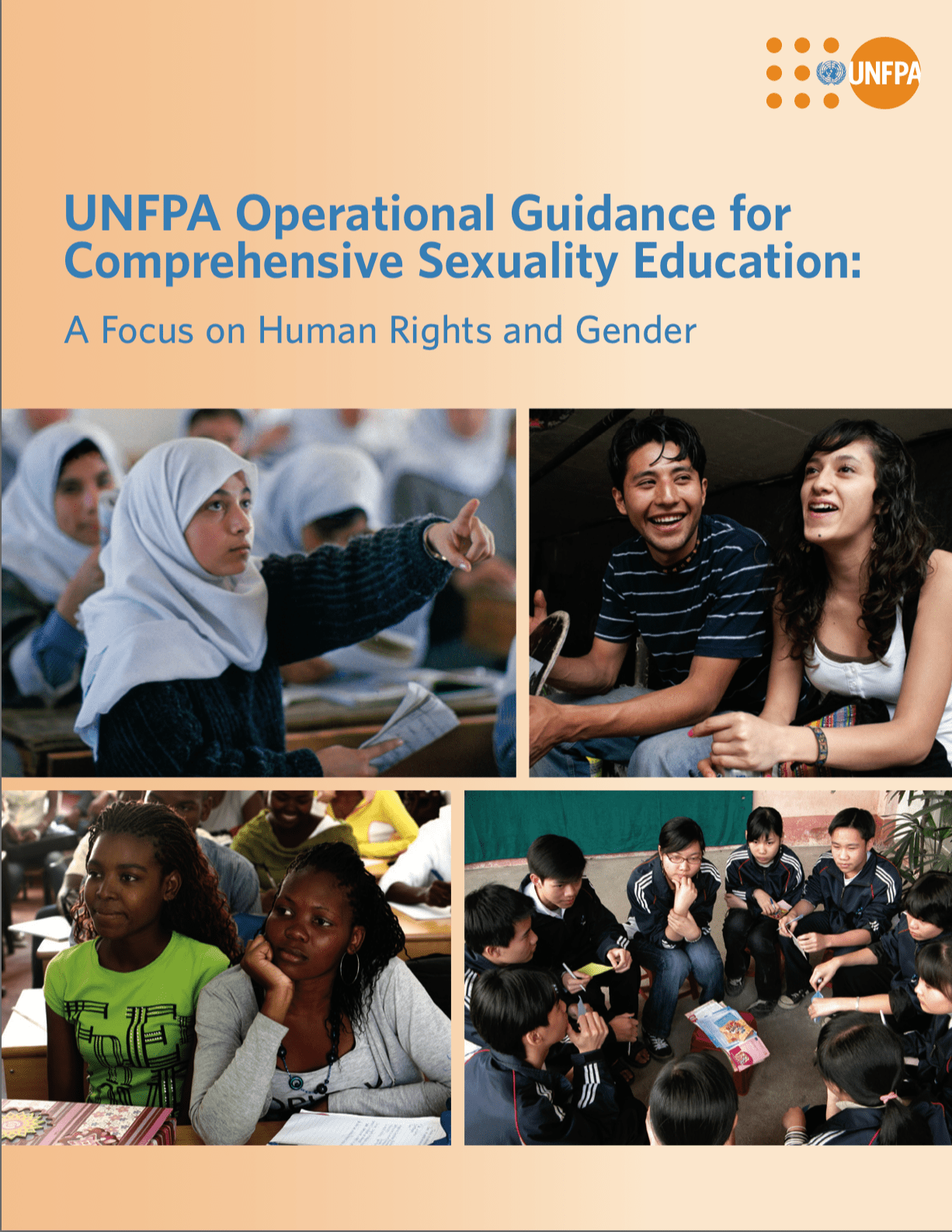
As per the United Nations Population Fund, there are nine essentials for CSE:
-
-
-
-
-
-
-
-
-
- A basis in the core universal values of human rights
- An integrated focus on gender
- Strengthened youth advocacy and civic engagement
- A safe and healthy learning environment
- Link to sexual and reproductive health services
- Cultural relevance in tackling human rights violations and gender inequality
- Thorough and scientifically accurate information
- Participatory teaching methods
- Reaching across formal and informal sectors and age groupings.
-
-
-
-
-
-
-
-
CSE and India
India at the Central level acknowledged the need for CSE as early as 2005 in its National Curriculum. Education in its entirety has been a state subject under the Seventh Schedule of the Indian Constitution, with the 42nd amendment of 1976 placing certain aspects in the concurrent list. However, here CSE came under state governments and that was for the lack of a better term, ‘unfortunate’. States refused to acknowledge it for what it was, and ministers reduced it to something that will promote ‘sexual activities’ from the students’ end. Had they read through and understood it, CSE taught by experts delays the possibility of sexuality exploration by teenagers and taught them safer ways to do so.
Furthermore, the CSE curriculum focuses on the rights of children in case of violation, prevention of sexually transmitted diseases and the most important, consent, and it is important.
However, state governments refused, and a task force was eventually set up for the Adolescence Education Programme (government terminology for the CSE programme), and the only thing it successfully did was give an extreme moral wash to the programme. The task force removed technical terms like intercourse, information about STDs and even biological diagrams of reproductive organs. In a society where politicians and 14-year-old alike use extreme defamatory terms to describe women and sex, it may do us some benefit to introduce technical and medical terms for our benefit. The structure and aim of the AEP were destroyed by State’s implementing a detrimental moral version of it and five states going as far as even banning the programme.
Impact of CSE: Globally and in India
July 2015: An 11-year-old in India was able to report the fact that she had been subject to rape. The catch, she only understood what had happened with her after attending a CSE class.
CSE is not limited to children and adolescents but also adults. In fact, after introducing a programme for adults a Madhya Pradesh NGO saw the increase in the use of contraception from 2.5% to 31%.
There have been multiple studies conducted in various global regions conducting CSE with every study showing a positive impact of CSE on various issues it covers and the student response to them.
The critical findings of a study conducted by the United Nations Population Fund in East and South African Region for the impact of CSE on HIV prevention showed the following results:
- Improved knowledge about the disease and preventive measures
- Increase in the use of contraception, especially condoms
- The decrease in the probability of having multiple partners
- Increase in Self-efficacy for HIV prevention
- Delays in sexual exploration.
Why does India Need CSE?
India has the largest population of young adults with the number showing an increasing trend. Said population is subject to disturbing media trends and a society that is currently ill-equipped to handle the experimental behaviour of an adolescent which is when done in a safe environment essential to their growth.
31% of the HIV affected population in India belongs to the age group of 15-24 years
According to a study by the Ministry of Women and Child Development, 53% of boys and 47% of girls have faced some form of sexual abuse.
The current conservative approach taken towards sexuality education is doing no one in this country any favours, except for those who believe irrational chastity is more integral for our society than a child’s right to a safe, healthy and informed society with well-being and safety at it is core.
The right to education in every sense of the term is a right of all children and young adults in India and by preventing the inclusion of a well equipped CSE programme the rights of this segment of the population are impacted in significant ways.
Nowhere does the cultural ethos of our nation prevent education that leads to a decrease in violent crimes, population and risk of transmission and a generally healthy attitude not just towards women but also the LGBTQIA+ community and disabled communities. However, if in your opinion it does, maybe it is time you took a CSE class as well.