


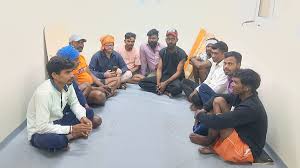
I just saw a viral reel on Instagram, in which 14 migrant workers are pleading with the Indian Government and the Government of Jharkhand to enable their return to their homeland, India, as they are reportedly stuck in Dubai and have no money left even for food. Their employer allegedly failed to pay the agreed-upon wages and blocked their return to India. They have no place to live, and even their passports have been confiscated.
The uncomfortable truth this case reminded me of was that for many Indian workers abroad, migration still comes at the cost of dignity, security, and legal protection. While the story is deeply human, it also raises serious questions of law, state responsibility, and international human rights.
Under Indian law, the Union Government, particularly the Ministry of External Affairs and Indian missions abroad, has a clear obligation to protect Indian citizens facing exploitation overseas. Indian embassies are not just diplomatic offices; they are meant to function as the first legal and humanitarian point of contact for distressed nationals.
Further, the State government also carries responsibility. Migrant-sending states like Jharkhand are expected to regulate recruitment, create awareness, and ensure that workers are not sent abroad through unsafe or illegal channels.
India has put in place several institutional and digital mechanisms to safeguard the rights and welfare of Indian citizens working or living overseas, especially migrant workers. These systems aim to prevent exploitation, provide grievance redressal, and ensure timely assistance during distress situations. So here’s a brief overview of all the redressal platforms-
1. e-Migrate Web Portal
The e-Migrate portal is an online platform developed by the Ministry of External Affairs to regulate overseas employment of Indian workers. It primarily applies to workers migrating to Emigration Check Required (ECR) countries.
Through this portal:
-
Foreign employers, recruitment agents, and Indian workers are registered digitally.
-
Employment contracts, visa details, and job terms are verified before migration.
-
The system helps prevent fraud, illegal recruitment, and contract substitution.

Legally, the portal strengthens the implementation of the Emigration Act, 1983 by bringing transparency and accountability into the recruitment process. It shifts migration governance from informal networks to a documented, state-monitored framework.
2. MADAD Portal
The MADAD (MEA Assistance for Indians Abroad) portal is an online grievance redressal system for Indians overseas.
It allows:
-
Indian citizens abroad to lodge complaints related to employment disputes, ill-treatment, non-payment of wages, passport issues, detention, or emergencies.
-
Direct monitoring of complaints by Indian Missions and the Ministry of External Affairs.
This portal operationalises the government’s duty of care towards its citizens abroad. It reflects the State’s responsibility to provide diplomatic and legal assistance when fundamental rights and safety are threatened in foreign jurisdictions.
3. Pravasi Bharatiya Bima Yojana (PBBY)
The Pravasi Bharatiya Bima Yojana is a mandatory insurance scheme for Indian migrant workers going to ECR countries.
It provides coverage for:
-
Accidental death or disability
-
Medical expenses
-
Repatriation in case of death
-
Legal expenses arising out of employment disputes
PBBY acts as a social security measure, recognising that migrant workers often lack access to insurance or legal remedies abroad. It aligns with the constitutional vision of social justice and welfare for economically vulnerable citizens.
4. Pravasi Bharatiya Sahayata Kendras (PBSKs)
Pravasi Bharatiya Sahayata Kendras are support centres established in major migrant-sending states.
Their role includes:
-
Pre-departure counselling and awareness about rights and risks
-
Assistance with documentation and grievance registration
-
Support to families of migrant workers facing distress abroad
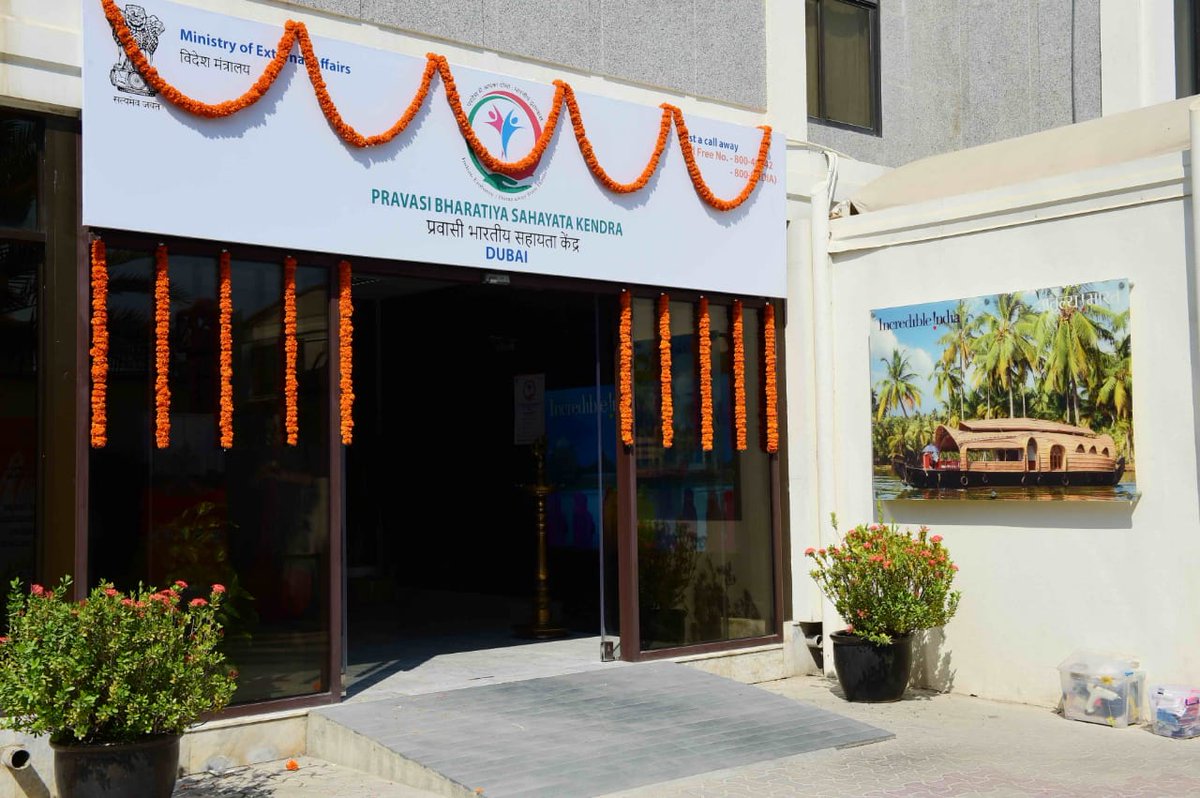
These centres function as a preventive legal mechanism, ensuring that migrants are informed before departure rather than seeking help only after exploitation occurs.
5. 24×7 Helplines
Indian Missions abroad operate round-the-clock helplines for emergencies involving Indian nationals.
They are used in cases of:
-
Arrest or detention
-
Abuse or trafficking
-
Medical emergencies
-
Sudden job loss or abandonment by employers

These helplines represent immediate access to consular protection, which is a recognised principle under international diplomatic law.
6. Open Houses at Indian Missions and Posts
Indian Embassies and Consulates regularly conduct Open House sessions, where Indian nationals can directly interact with embassy officials.
These forums allow:
-
Migrant workers to raise grievances in person
-
Faster resolution of labour and welfare issues
-
Building trust between the Indian diaspora and diplomatic missions
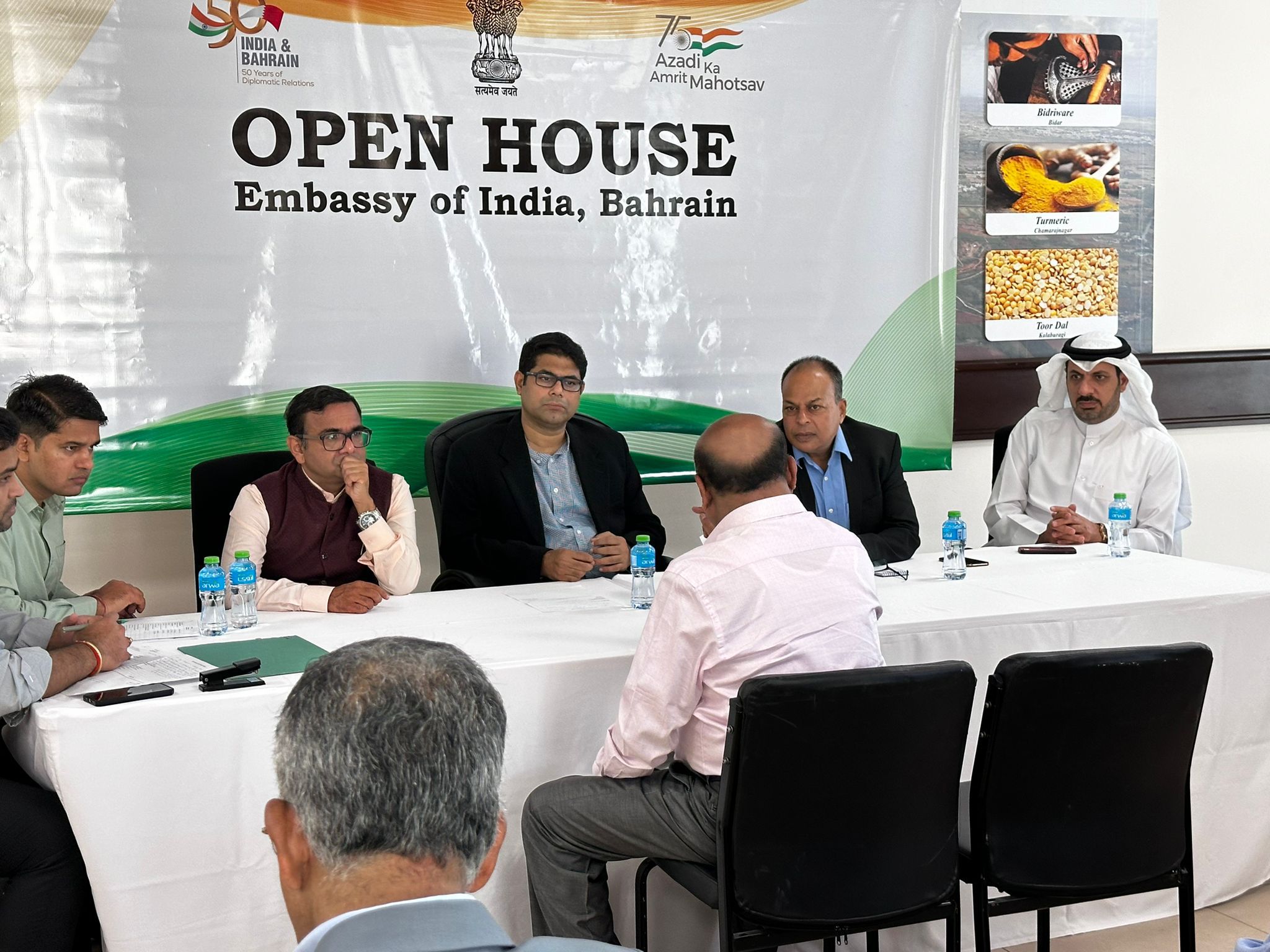
Open Houses humanise diplomacy by turning formal missions into accessible grievance forums rather than distant bureaucratic offices.
Concluding Note
Together, these mechanisms reflect India’s evolving approach to migration governance — from passive consular support to active legal and welfare intervention. However, their effectiveness depends not just on existence, but on awareness, enforcement, and timely action.