


Case Study: The Electoral Bonds Judgment and the Right to Know
Association for Democratic Reforms & Anr. v. Union of India (2024)
Supreme Court of India
In February 2024, the Supreme Court delivered one of its most consequential judgments in recent constitutional history by striking down the Electoral Bonds Scheme. The decision went far beyond election funding. It spoke directly to the soul of Indian democracy: transparency, accountability, and the citizen’s right to know.
Background
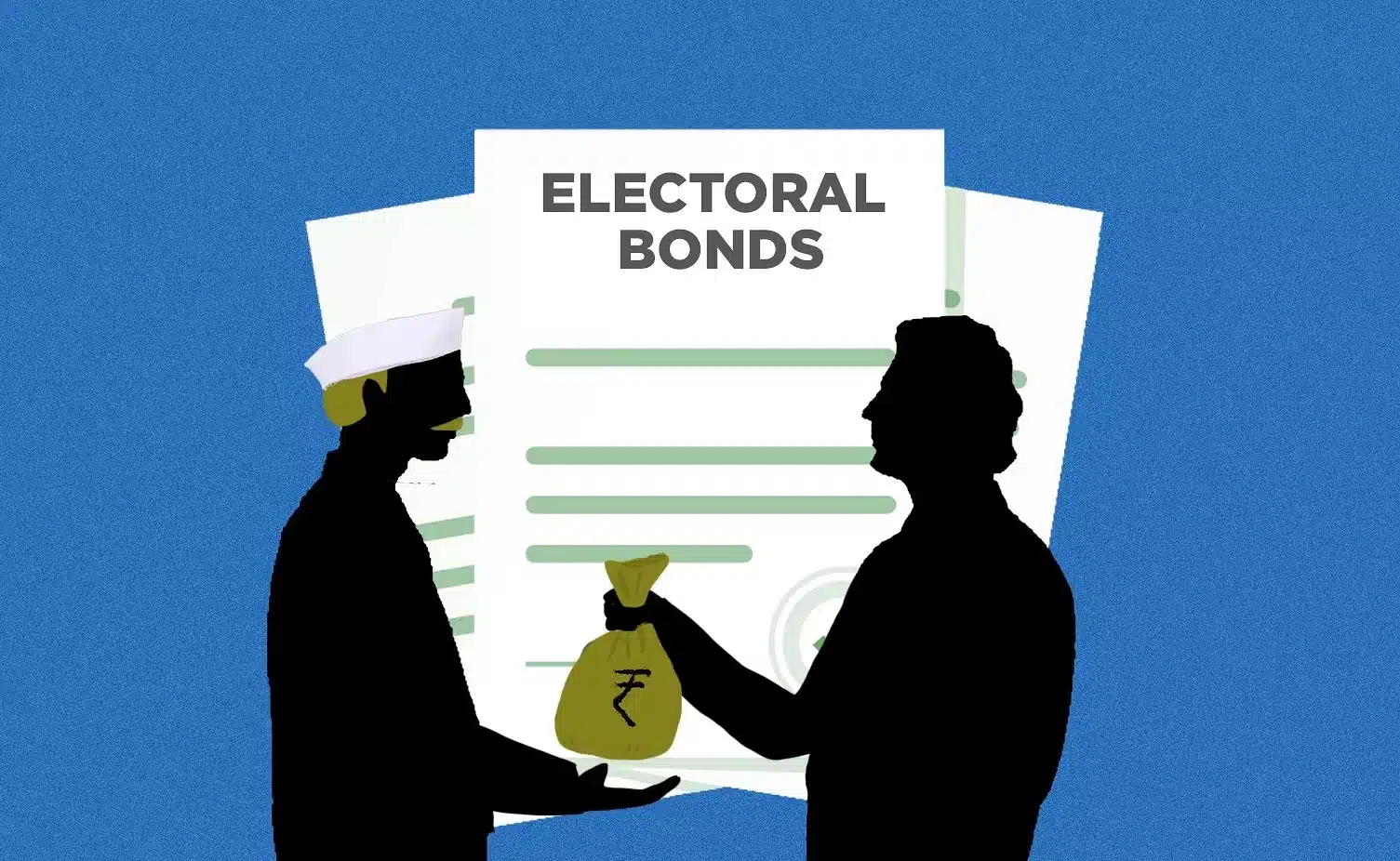
The Electoral Bonds Scheme was introduced in 2017 as a way to reform political funding in India. Under this system, individuals and companies could purchase electoral bonds from designated banks and donate them to political parties. The identity of the donor remained confidential, both to the public and, on paper, to rival parties.
The government defended the scheme as a tool to reduce black money in elections. It argued that channeling donations through banks would make political funding cleaner and more formal.
However, civil society organisations like the Association for Democratic Reforms (ADR) challenged the scheme. Their concern was simple but serious: if voters do not know who is funding political parties, how can they judge whether policies and decisions are being influenced by moneyed interests?
What Was at Stake
At the heart of the case was a conflict between donor anonymity and voter awareness.
The petitioners argued that the scheme violated the fundamental right to information, which is part of the freedom of speech and expression under Article 19(1)(a) of the Constitution. According to them, democracy cannot function in darkness. Citizens must know who financially supports political parties, especially when large corporations are involved.
The Union of India, on the other hand, maintained that donor privacy was necessary to protect contributors from political retaliation and that the scheme served a legitimate public purpose.
How the Court Looked at the Problem
The Constitution Bench approached the issue from the perspective of the voter, not the donor.
The Court observed that elections are not merely procedural events. They are moments where citizens exercise informed choice. That choice becomes hollow if crucial information about political funding is deliberately hidden.
The judges emphasized that political parties play a central role in governance, and funding directly affects their functioning and policy priorities. When donations are made anonymously, especially in unlimited amounts, it becomes impossible for citizens to assess whether public interest is being compromised for private gain.
The Court was particularly critical of the argument that anonymity helps prevent black money. It noted that transparency, not secrecy, is the stronger safeguard against corruption.
The Judgment
The Supreme Court declared the Electoral Bonds Scheme unconstitutional.
It held that anonymous political donations violate the voter’s right to information and weaken democratic accountability. The amendments made to various laws, including the Representation of the People Act and the Income Tax Act, to facilitate the scheme were also struck down.
The Court directed that details of past electoral bond transactions be disclosed, reinforcing that transparency is not optional in a constitutional democracy.
Why This Judgment Matters
This ruling changed the way India understands political funding.
It reaffirmed that democracy does not belong to political parties or donors. It belongs to citizens. And citizens cannot participate meaningfully if they are kept in the dark.
By prioritising the voter’s right to know over donor anonymity, the Supreme Court made it clear that clean politics is not just about removing cash transactions, but about ensuring openness and accountability at every level.
The judgment stands as a reminder that constitutional values are not abstract ideals. They have real consequences for how power is exercised and how trust is maintained between the state and the people.